
What Drivers Should Expect from a Full Service
Booking a full car service should give you a clear picture of your vehicle’s condition, not a vague promise that everything has been “looked at”. A well-planned service normally combines an oil and filter change with a structured inspection of safety, reliability and maintenance items. That may include fluid levels, brakes, tyres, steering, suspension, battery condition, lights, belts, filters, exhaust components and visible leaks. However, there is no single universal checklist used by every garage or for every vehicle.
The right schedule depends on the manufacturer, model, engine, age, mileage and how the car is driven. A diesel used for repeated short trips can have different needs from a petrol car covering steady motorway miles. Hybrid and electric vehicles also require procedures that do not apply to a conventional petrol or diesel engine. This is why drivers should compare the written full car service checklist, not rely on the package name alone.
It is also important to separate inspection work from replacement work. Engine oil and the oil filter are commonly included in a full service, but worn brake pads, damaged tyres, a weak battery or a leaking shock absorber are usually additional repairs. A responsible garage should explain the finding, provide a price and obtain authorisation before carrying out extra chargeable work. This guide explains what you can reasonably expect, what may cost extra and how to prepare when booking car servicing in Milton Keynes.
What Is a Full Car Service?
A full service is a planned maintenance visit designed to protect the car between major repairs. It combines routine replacement items with a broader vehicle inspection. The purpose is to reduce avoidable wear, identify developing problems and keep maintenance records up to date. It is not a promise that every component will be renewed, nor does it guarantee that nothing can fail after the appointment.
The exact content should be confirmed before booking. Ask for the current checklist, the oil specification, the parts included and the policy for additional work. If you are comparing car servicing prices, make sure each quotation covers the same tasks. A cheaper package may include fewer inspections, less oil or a different grade of parts.
The Purpose of Routine Vehicle Servicing
Routine vehicle servicing supports reliability and gives technicians opportunities to spot changes before they become serious. Fresh oil protects moving engine components, while regular checks can reveal low fluids, damaged tyres, worn brakes, loose suspension parts or an ageing battery. Maintenance is most useful when it follows the vehicle’s schedule instead of waiting for a warning light or breakdown.
Servicing can also support resale value and warranty records. Keep invoices, itemised checklists and digital or stamped service-history entries. These documents show what was completed, which parts and fluids were used and when the next maintenance may be due.
Full Service vs Interim Service
An interim service is normally a smaller maintenance visit between full services. It commonly focuses on engine oil, the oil filter and essential safety checks. It may suit high-mileage drivers, vehicles used for frequent short journeys or cars operating in demanding stop-start conditions.
A full service examines more systems and usually includes a longer checklist. The names are not legally standardised, so an “interim” package at one garage may not match another provider’s list. Compare the written inclusions and your manufacturer’s maintenance schedule before choosing.
Full Service vs Major Service
A major service is often the most extensive scheduled package offered by a garage. Depending on mileage and manufacturer requirements, it may include items that are not routinely replaced during every full service, such as spark plugs, certain filters or brake fluid. Timing belts, transmission fluid and coolant changes usually follow separate age or mileage intervals and should not be assumed to be included.
If your service history is incomplete, ask the technician to identify overdue time-based and mileage-based work. A major package is not automatically the correct answer. The vehicle schedule should lead the decision.
Full Service vs MOT Test
An MOT and a service have different purposes. The UK MOT checks whether a vehicle meets minimum road-safety and environmental standards on the day of the test. It does not renew the engine oil, follow the manufacturer’s service plan or assess every maintenance item. A car can pass its MOT and still be overdue for servicing.
Similarly, completing a full service does not provide an MOT certificate. If both are due, combining an MOT and service can reduce separate workshop visits, but each process should still have its own record and result.
Vehicle and Service-History Review
Good servicing starts before the bonnet is opened. The workshop should identify the vehicle accurately, review its schedule and ask about recent symptoms. That background helps the technician select suitable oil, parts and checks instead of applying the same routine to every car.
Bring any paper or digital service history you have. Tell the garage about repairs carried out elsewhere, recent battery replacement, oil consumption, warning lights, unusual noises or changes in handling. A small detail from the driver can prevent a developing problem from being missed.
Registration and Manufacturer Schedule
The registration number and vehicle identification details help the workshop confirm the exact model, engine and production variant. Two cars with the same model name can require different oil specifications, filter types or maintenance intervals. The manufacturer schedule should be checked against age and mileage.
Mileage, Age and Previous Maintenance
Mileage shows how much use the car has received, while age highlights time-sensitive items. Brake fluid, coolant, rubber belts and tyres can deteriorate even when annual mileage is low. Previous invoices help establish what has already been replaced and what may be due next.
Driver-Reported Symptoms
Mention cold-start rattles, difficult starting, vibration, pulling, brake noise, poor fuel economy, fluid spots or unusual smells. Explain when the symptom occurs. “A vibration between 50 and 60 mph” is more useful than “the car feels strange”. This information can guide the inspection without turning routine servicing into guesswork.
Warning Lights and Stored Faults
A dashboard warning light should be recorded, but servicing alone may not diagnose or repair it. Some faults require a scan, live-data checks and electrical or mechanical testing. Where necessary, vehicle diagnostics should be authorised separately. Clearing a code without correcting its cause is not a repair.
Engine Oil and Filter Service
The oil and filter change is a central part of most full-service packages. Engine oil lubricates moving components, helps control heat, suspends contaminants and supports hydraulic systems inside many modern engines. Over time, heat, fuel dilution, moisture and combustion by-products reduce its effectiveness.
Using the correct oil matters as much as changing it. Modern engines may require a precise viscosity and manufacturer approval to protect turbochargers, timing systems, emissions equipment and extended service intervals. “5W-30” alone is not always enough information because oils with the same viscosity can meet different specifications.
Draining Used Engine Oil
The old oil is drained safely while the technician checks for signs such as unusual contamination, strong fuel smell or coolant mixing. The drain plug and sealing washer should be inspected and refitted correctly. Used oil must be handled and disposed of through appropriate waste procedures.
Selecting the Correct Oil Specification
Oil selection should follow the vehicle manufacturer’s data for the engine and operating conditions. The correct specification may protect a diesel particulate filter, meet a low-ash requirement or support a particular service interval. MK12 Autocare lists premium Liqui Moly engine oil within its servicing options, but the correct product must still match the individual vehicle.
Replacing the Oil Filter
The oil filter captures particles circulated with the lubricant. Fitting fresh oil through an old, restricted filter would undermine the purpose of the service, so the filter is normally replaced at the same time. The technician should use the appropriate filter type, seal and tightening procedure.
Checking for Leaks and Oil Condition
Before and after the oil change, visible areas should be checked for leaks around the sump, filter housing, rocker cover and related components. The oil level is then set correctly and rechecked after the engine has circulated the new lubricant. Overfilling can be harmful, so “more” is not better.
When an Engine Flush or Additive May Be Discussed
An engine flush or additive is not automatically suitable for every car. Its use should consider engine condition, service history, oil contamination and product compatibility.
MK12 Autocare’s current full-service package lists three Liqui Moly treatments: Engine Flush Plus, an injection cleaner or diesel additive selected by fuel type, and CERATEC. Ask the workshop to confirm suitability, current package inclusions and any limitations for your vehicle before authorising treatment.
Fluid-Level and Condition Checks
Fluids are the working lifeblood of many vehicle systems. A full service generally includes checks of accessible levels and visible condition, but not every fluid is replaced at every visit. Some systems are sealed, some need manufacturer-specific products and others follow separate schedules.
A low level should prompt a question: where did the fluid go? Minor changes can occur with normal wear, but a repeated drop may indicate a leak or mechanical problem. The service report should distinguish between a safe top-up and a fault requiring investigation.
Coolant and Antifreeze
Coolant controls engine temperature and protects the cooling system against freezing and corrosion. The technician may inspect the reservoir level, visible hoses, radiator area and signs of leakage. Different coolant technologies should not be mixed casually. If replacement is due, the correct specification and bleeding procedure matter.
Brake Fluid
Brake fluid transfers pedal pressure through the hydraulic braking system and can absorb moisture over time. A service may include a level and visible-condition check. Replacement is normally a separate scheduled operation unless the chosen package states otherwise. A low level may relate to pad wear or a leak and should not simply be ignored.
Power-Steering and Transmission Fluids Where Applicable
Some cars use hydraulic power steering, while others use electric assistance. Automatic, dual-clutch and manual transmissions also have different fluid requirements and service intervals. These fluids may not be part of a standard full service. The technician should follow model-specific access and checking procedures instead of using a generic top-up.
Windscreen Washer Fluid
Washer fluid is simple but safety-relevant because a clear view matters in rain, spray and winter grime. The reservoir is usually checked and topped up with a suitable mixture. Wiper operation, spray direction and visible blade condition may also be reviewed.
Why Topping Up Does Not Repair a Leak
Adding fluid restores the level. It does not solve a failed hose, seal, radiator, water pump or hydraulic component. If a technician finds staining, wetness or repeated loss, ask for a diagnosis and quotation.
Continuing to top up a leaking system can allow a small fault to become an overheating, braking or transmission problem.
Brake, Steering and Suspension Inspection
These systems control how the car stops, turns and remains stable. A full service normally includes visual and functional checks where access allows. The technician may identify wear, corrosion, leakage, excessive movement or damaged protective boots, but dismantling and detailed measurement can require additional work.
Driver feedback matters here. A knock over bumps, steering drift, vibration under braking or a soft pedal may not appear while the car is stationary. Report changes clearly and authorise further investigation if the routine inspection cannot confirm the cause.
Brake Pads, Discs and Hydraulic Components
A brake inspection may review visible pad thickness, disc condition, hoses, pipes, callipers and signs of fluid leakage. Surface corrosion after standing can differ from severe scoring or structural deterioration.
Where the condition cannot be confirmed visually, wheel removal or measurement may be recommended.
Steering Joints and Linkages
Steering checks can include accessible track-rod ends, joints, protective boots and signs of looseness or damage. Excessive play can affect control and tyre wear. Steering assistance should also feel consistent, without warning lights, unusual noise or heavy operation.
Springs, Shock Absorbers and Bushes
The suspension helps keep tyres in contact with the road and controls body movement. Technicians look for broken springs, leaking shock absorbers, worn bushes and damaged mountings.
Wear may develop gradually, so drivers sometimes adapt to poorer handling without noticing how much it has changed.
Road-Test Symptoms and Handling
A road test, when included and safe, can reveal pulling, vibration, brake behaviour, steering-centre position and unusual noise. It is a useful supplement to workshop checks, not a substitute for inspection. Road conditions and speed should be suitable for the symptom being assessed.
Tyre and Wheel Checks
Tyres are the vehicle’s contact with the road, so their condition affects braking, steering and stability. A full service commonly includes pressure and visual checks, while puncture repair, replacement, balancing and alignment are separate services unless explicitly included.
Look beyond tread depth. Cuts, bulges, cracking, embedded objects, uneven wear and an unsuitable load or speed rating can matter. The technician should also consider whether wear patterns point to pressure, alignment or suspension problems.
Tread Depth and Tyre Condition
The tread should be measured across relevant areas instead of being judged from one convenient point. The sidewalls and visible inner edges should be inspected where possible.
If damage or wear approaches a safety limit, the report should explain which tyre is affected and why replacement is advised.
Tyre Pressure and Uneven Wear
Correct pressure depends on the vehicle and load, not the number printed as the tyre’s maximum. Underinflation, overinflation or unequal pressures can alter handling and wear. Feathering, centre wear and inner-edge wear may point to different causes that need investigation.
Wheel Alignment Warning Signs
Pulling to one side, an off-centre steering wheel or repeated uneven wear can justify a wheel alignment check. Alignment is not automatically part of a full service because it requires dedicated measuring equipment and adjustment. Damaged or worn suspension parts may need repair first.
Spare Wheel or Mobility Kit
If the car carries a spare wheel, check its pressure and condition. If it uses a sealant kit, inspect the expiry date and confirm that the compressor and accessories are present. Drivers often discover missing or expired equipment only after a puncture.
Battery, Charging and Electrical Checks
Modern vehicles depend on stable voltage for starting, engine management, safety systems and convenience features. A weak battery can produce slow cranking, stop-start faults or misleading warning messages. A full service may include a visual battery check and basic test, depending on the package.
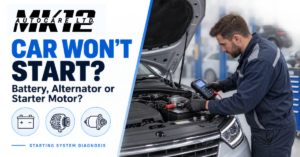
Electrical testing has limits. A battery can pass a quick check yet fail under different temperature or load conditions. If symptoms are intermittent, further testing of the battery, starter, alternator, cables and parasitic drain may be needed.
Battery Condition and Starting Performance
The technician may examine terminal security, corrosion, casing condition and starting behaviour. A suitable tester can estimate battery health, but the result should be interpreted with battery type, age, state of charge and vehicle system in mind.
Alternator Charging Output
Charging output should support the electrical system and replenish the battery. Low or unstable voltage can result from the alternator, drive belt, wiring, connections or control strategy. Smart-charging vehicles may require model-aware testing instead of one universal voltage figure.
Exterior and Interior Lighting
Lighting checks commonly cover headlights, indicators, brake lights, number-plate lights and other accessible lamps. Interior warning and illumination functions may also be observed. Correct aim or detailed electrical repair may require separate equipment and labour.
Dashboard Warning Lights
Warning lamps should illuminate and extinguish in the expected way. A persistent engine, ABS, airbag, battery or brake warning needs appropriate diagnosis. A full service may identify the warning, but it should not be presented as resolved unless the underlying fault has been found and repaired.
Filters, Belts and Ignition Components
Filters and belts work quietly until restriction, wear or failure affects performance. Their replacement intervals vary widely, which is why the service history and manufacturer schedule are essential. A visual check does not always reveal the internal condition of a filter or timing component.
Ask whether each item is inspected, replaced or excluded. If replacement is recommended, the quotation should identify the component, part quality and reason. This makes service car maintenance decisions easier to prioritise.
Air Filter and Cabin Filter
The engine air filter protects the intake from dust and debris. A heavily restricted filter can affect airflow, although modern engine management compensates within limits.
The cabin filter traps airborne particles entering the ventilation system. Either may be replaced when scheduled or visibly contaminated, but inclusion varies by package.
Fuel Filter Where Scheduled
Fuel filters protect sensitive injection components. Some are replaceable at defined intervals, while others are integrated into assemblies or treated as long-life components.
Diesel systems may require careful priming and water management. Follow the correct schedule instead of assuming annual replacement.
Auxiliary Belts and Timing Components
Accessible auxiliary belts can be checked for cracking, fraying, contamination and tension problems. Timing belts usually follow a separate age or mileage interval, often with related tensioners and water-pump considerations.
A routine glance cannot guarantee remaining belt life, so documentary evidence of replacement is valuable.
Spark Plugs for Petrol Engines
Spark plugs influence ignition quality and may be due at intervals ranging from relatively short to very long, depending on design. Replacement is not automatically included in every full service. If plugs are scheduled, the correct type, gap and tightening procedure are important.
Exhaust, Emissions and Underbody Checks
The underside can reveal problems that are difficult to see from above. With the car safely raised, the technician may inspect accessible exhaust components, mountings, covers, structural areas and signs of leakage or impact damage. This is a visual maintenance inspection, not a complete corrosion assessment.
Emissions systems are increasingly complex. A warning light, loss of power or repeated regeneration issue may require diagnostic testing and a driving-history review. Replacing or adding a cleaner without identifying the cause can waste money.
Exhaust Leaks and Mountings
Exhaust checks may identify corrosion, loose heat shields, damaged hangers and signs of gas leakage. A blowing sound, fumes or vibration deserves attention.
Repairs depend on which section is affected and whether sensors or emissions components are involved.
DPF and Emissions-System Warning Signs
Diesel particulate filters can experience problems when regeneration conditions are not met or when another engine fault increases soot production. A DPF warning, frequent fan operation or reduced performance should be investigated.
Additives or cleaning products are not substitutes for fixing failed sensors, injectors, turbo faults or underlying combustion problems.
Visible Underbody Damage or Fluid Leaks
The underbody may show oil, coolant, brake fluid, transmission fluid or fuel leakage. Splash shields, jacking points and exposed components can also suffer impact damage.
The report should describe the location and urgency because a damp area and an active safety-critical leak require different responses.
What Happens After the Inspection?
The service should end with useful information, not just a set of keys and a payment. Ask for an itemised checklist showing work completed, observations, measurements where relevant and recommended next steps. The invoice should record the oil specification, parts and authorised additional work.
A good explanation separates urgent safety issues from maintenance that can be monitored or planned. This helps you budget without delaying critical repairs. If something is unclear, ask the technician to show you the component or provide supporting measurements or photographs where practical.
Written Service Record and Checklist
Update the paper book, digital history or manufacturer record where applicable. Keep the invoice with the date and mileage. A complete service history supports future maintenance planning and helps a buyer understand how the vehicle has been cared for.
Explaining Advisory Maintenance
Advisories should state what was found, why it matters and how soon action may be needed. “Tyres worn” is less useful than identifying the position, tread or wear pattern. Clear descriptions allow you to compare priorities and make informed decisions.
Authorising Additional Repairs
Inspection is not automatic permission to replace everything discovered. The garage should contact you with the finding and quotation before chargeable work begins, unless you agreed to a defined authorisation limit.
Ask whether parts, labour, VAT and any recalibration are included.
Planning the Next Service Date
The next date should reflect the manufacturer schedule, mileage and use. Set a reminder based on whichever comes first. If the car covers unusually high mileage or repeated short journeys, an earlier oil service may be appropriate.
Keep MOT and service reminders separate even if you normally book them together.
Booking a Full Service at MK12 Autocare
Drivers looking for a full car service Milton Keynes option can review MK12 Autocare’s current package and book with the Stacey Bushes workshop. The live package lists an oil and filter change, a full vehicle health check and three Liqui Moly treatments. Inclusions, compatibility and prices can change, so confirm the written checklist for your registration before the appointment.
MK12 Autocare also provides MOT testing, diagnostics and wheel alignment. If more than one item is due, explain this when booking so the workshop can allocate suitable time and provide an estimate. Use the online booking page or contact the team before travelling.
Vehicle Information Needed
Provide the registration number, current mileage, fuel type and any known engine or trim details. Mention warning lights, fluid loss, unusual noises, previous repair attempts and the date of the last service.
If you need a particular oil approval or parts standard, raise it before work starts.
Stacey Bushes Workshop and Local Coverage
The workshop serves drivers around Stacey Bushes, Wolverton and wider MK12 Milton Keynes. Check the current appointment details and directions on the website.
If your vehicle is modified, imported, hybrid, electric or used commercially, disclose that when arranging the visit.
Combining Servicing with MOT or Diagnostics
You can ask about combining servicing with a Class 4, Class 5 or Class 7 MOT where the vehicle is eligible, or arrange diagnostics for a warning light.
Remember that each service has a different purpose. The booking confirmation should clearly list the selected work and any estimates.
Use the Checklist to Protect Your Vehicle
A full car service is most valuable when it follows the right schedule and produces a clear written record. Expect the oil and filter change to sit at the centre of the visit, supported by checks of fluids, brakes, tyres, steering, suspension, battery, lights, filters, belts, exhaust and visible underbody condition. Do not assume that every worn part, scheduled fluid or diagnostic procedure is included in the package price.
Before booking, compare the checklist with your handbook and service history. During the appointment, authorise extra work only after the issue and cost have been explained. Afterwards, keep the invoice, inspection sheet and updated service record. This simple paper trail turns servicing from a one-day purchase into a practical maintenance plan.
If you are based in Milton Keynes, review MK12 Autocare’s current Full Service package and provide accurate vehicle details. A suitable maintenance schedule, the correct oil specification and timely repairs can help you protect safety, reliability and long-term ownership costs.
Frequently Asked Questions
Q1: Does a full service replace every worn component?
No. A full service includes defined maintenance and inspection tasks. If the technician finds worn brakes, tyres, suspension parts, a battery or another component, replacement is usually additional. You should receive an explanation and quotation before extra work is carried out.
Q2: Will a full service clear dashboard warning lights?
Not necessarily. Servicing may resolve a warning caused by an overdue maintenance item, but many lights require car diagnostics. The technician must identify and repair the underlying fault. Simply clearing a stored code does not correct the problem.
Q3: Does a full service include wheel alignment?
Usually not unless the package specifically says so. A service may identify uneven tyre wear, pulling or an off-centre steering wheel.
A dedicated wheel alignment service then measures and adjusts the relevant angles, provided worn or damaged steering and suspension parts do not prevent correct adjustment.
Q4: Are air-conditioning checks included in routine servicing?
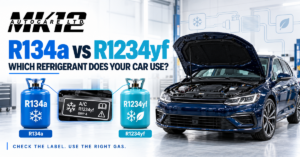
Basic operation may be noted, but leak testing, refrigerant identification, repair and aircon regas are normally separate services.
Confirm the refrigerant type and exact procedure before booking. A regas will not repair a leaking condenser, failed compressor or electrical problem.
Q5: Do I need a full service before a long journey?
If the car is due or its history is uncertain, servicing before the trip can be sensible. Allow enough time to complete any repairs found.
At minimum, check tyres, fluid levels, lights, wipers and warning lamps. A service immediately before departure leaves little time for parts or follow-up testing.
Q6: Can I request manufacturer-approved parts and oil?
Yes. Tell the garage the specification or standard you require before authorising the work. Ask for the oil approval and part details on the invoice.
The workshop should still verify compatibility using the registration, engine and manufacturer data.
Q7: How should I keep proof of servicing?
Keep itemised invoices, inspection sheets and parts information. Ensure the date and mileage are correct, and update the paper or digital service record. Store photographs or diagnostic reports with the same record where relevant.
Q8: What should I do if the garage finds an urgent safety fault?
Ask the technician to explain the fault, the risk and whether the car should be driven. Obtain a written quotation and authorise appropriate repair if you agree.
If the vehicle is unsafe, arrange repair on site or recovery rather than continuing to drive it.